


Overview
Messer provides gas solutions suited to the properties of the metal, quality requirements and operating conditions of the respective purification and refining process.
Metal Purification and Refining Applications
01.Thermal Refining
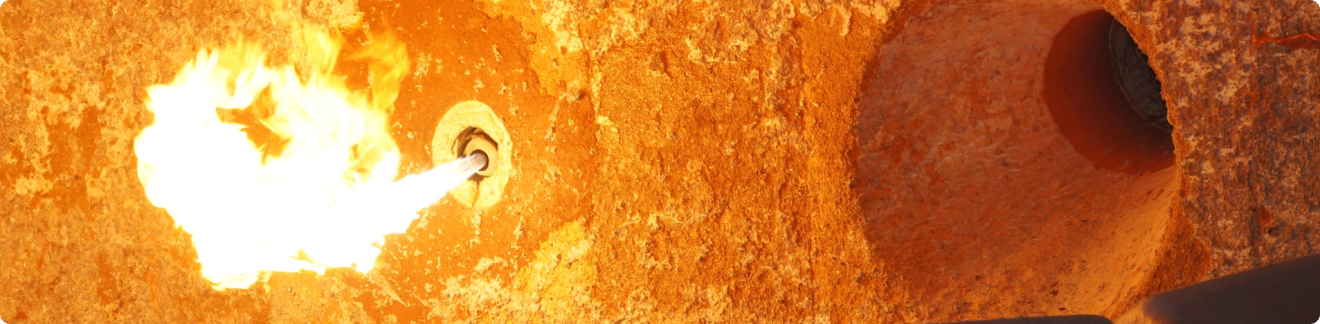
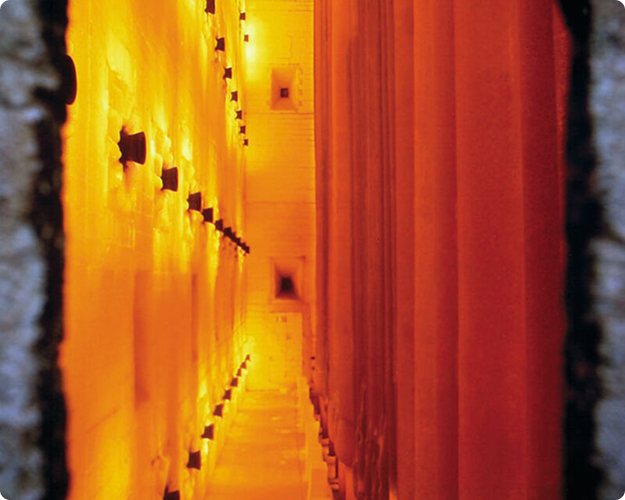
In thermal refining, oxyfuel combustion systems are used to provide heat to the furnace. Compared with air-fuel combustion, this solution improves combustion efficiency, accelerates heating and melting, and reduces fuel consumption, flue-gas volumes and dust emissions.
During the oxidation stage, oxygen is introduced into the molten metal through lances. In certain systems, nitrogen is supplied from the bottom of the furnace to support mixing of the molten bath.
02.Lead Refining
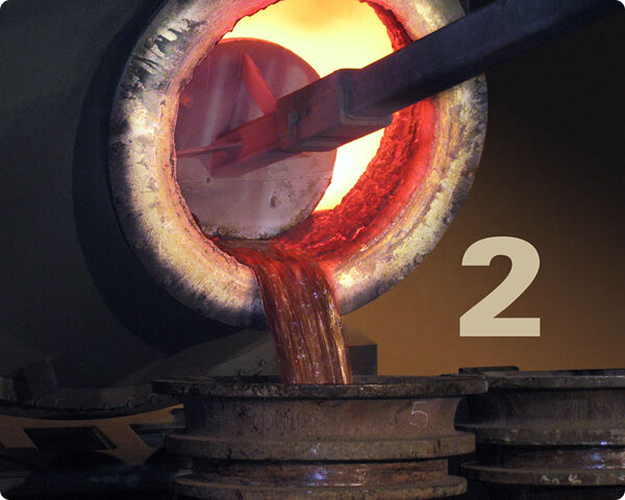
In lead refining, oxygen is used to selectively oxidise impurities such as arsenic, tin and antimony before the lead itself is oxidised. A mixture of oxygen and nitrogen can be introduced directly into the refining kettle or a separate treatment vessel through lances.
The resulting impurity oxides are separated from the molten lead as slag. Compared with processes using caustic soda and nitric acid, this method can reduce additive consumption, accelerate oxidation and reduce the amount of waste requiring treatment.
03.Cleaning Molten Metal with Inert Gas
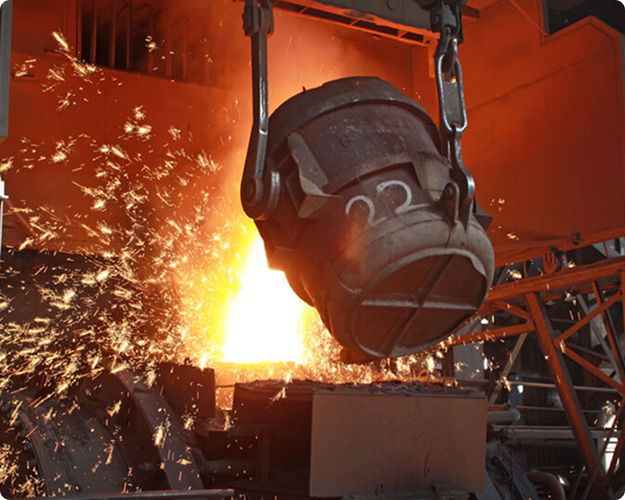
Inert gas is introduced into molten metal in the form of very fine bubbles through an injection system or rotary impeller. The fine inert-gas bubbles promote mixing, impurity removal and homogenisation of the molten metal before subsequent processing stages.
The gas supply system needs to be designed according to the furnace type, ladle and characteristics of the metal being treated.