


Overview
Heat generated during grinding can cause soft, elastic, oil-rich or heat-sensitive materials to melt, stick together or lose quality. Cold grinding uses liquid nitrogen or liquid CO2 to make materials harder and more brittle, making grinding and separation easier.
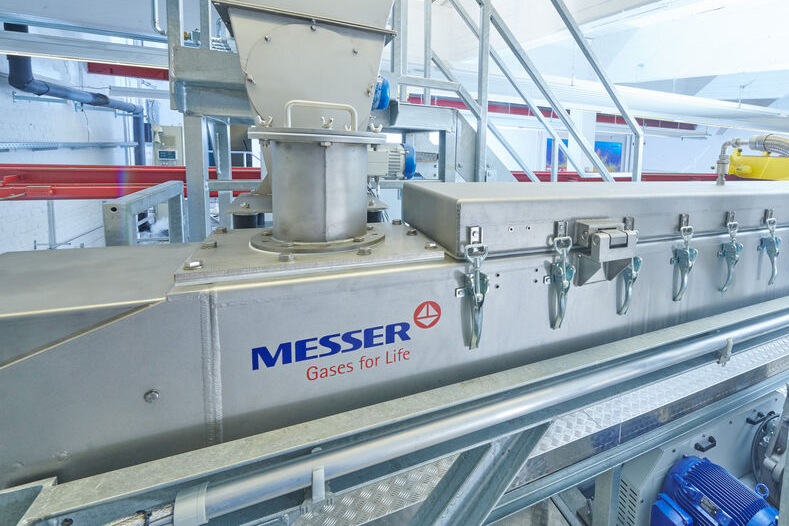
Powder Production From Heat-sensitive Materials
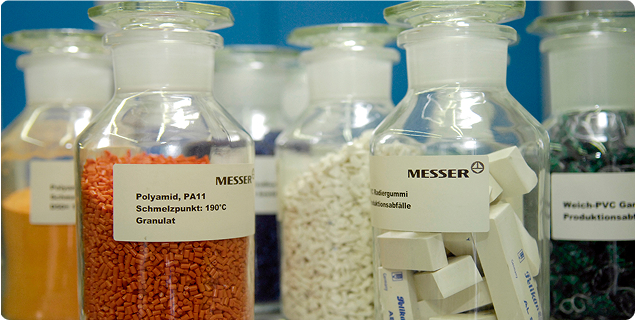
01.Powder Production From Heat-sensitive Materials
This technology is used for thermoplastics, rubber and elastomers, waxes, paint additives, pharmaceuticals and many other materials that are difficult to grind using conventional methods.
Cooling helps limit melting, sticking and heat-related damage. It also supports higher throughput, a greater proportion of fine and ultra-fine powder, lower specific energy consumption and a reduced risk of dust explosions.
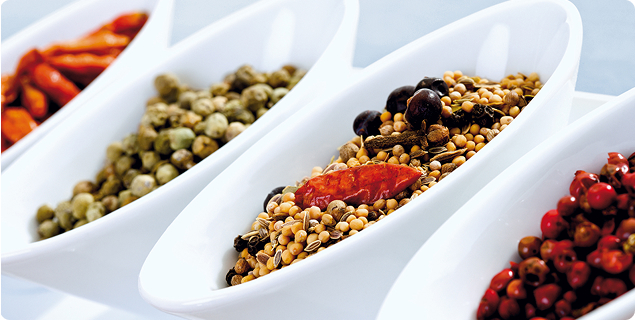
02.Grinding Spices and Food Products
For spices and foods with a high oil, fat or moisture content, heat generated during grinding can cause sticking and loss of flavour.
Liquid nitrogen or liquid CO2 helps control the process at low temperatures to preserve essential oils, vitamins and heat-sensitive components.
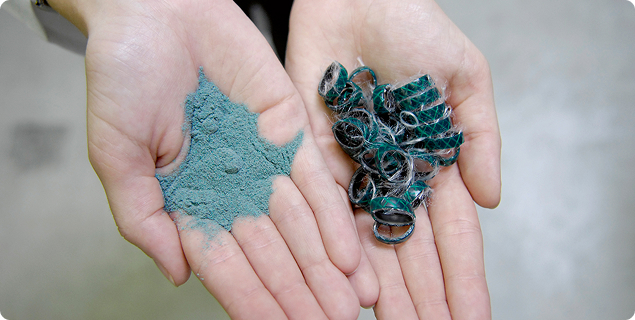
03.Recycling and Material Separation
In the recycling of rubber, PVC, thermoplastics and composite materials, liquid nitrogen is used to make the material harder and more brittle before grinding.
Different rates of contraction between the components weaken their bonds, making it easier to separate plastics from fibres, metals or other materials. The technology also helps reduce the flammability of components during battery recycling.